
Our Products
Core Water Treatment Machineries
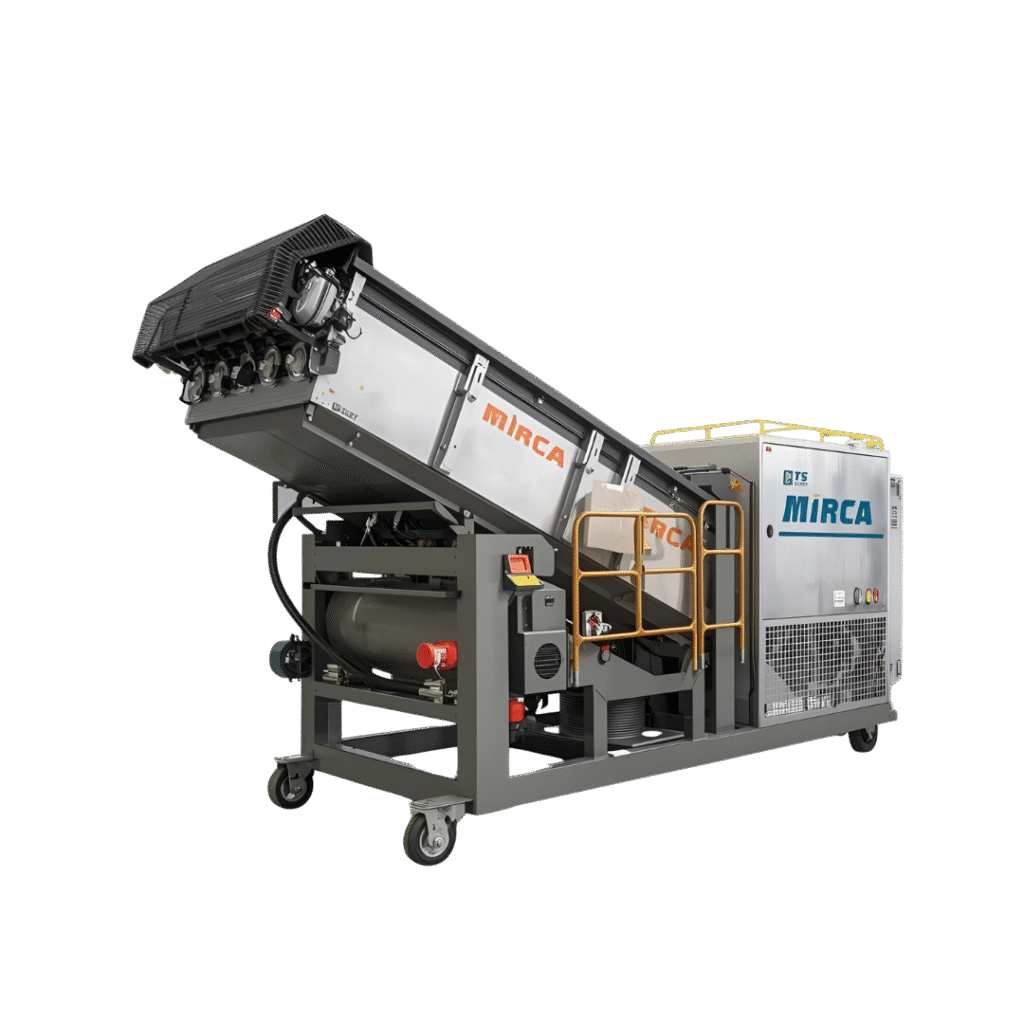
Screening Equipment (Manual / Mechanical)
Screening equipment is essential for size-based material separation across diverse industries, including mining, construction, and wastewater management. Manual screens are typically used for smaller-scale operations or specific laboratory testing, relying on physical labor to agitate materials through a mesh. In contrast, mechanical screens utilize motorized vibrations, rotations, or centrifugal force to handle high volumes of bulk material with precision and speed. Whether filtering debris from water or grading minerals, these machines ensure product consistency and protect downstream equipment from damage. By effectively isolating desired particles from oversized waste, screening technology optimizes processing efficiency and resource recovery
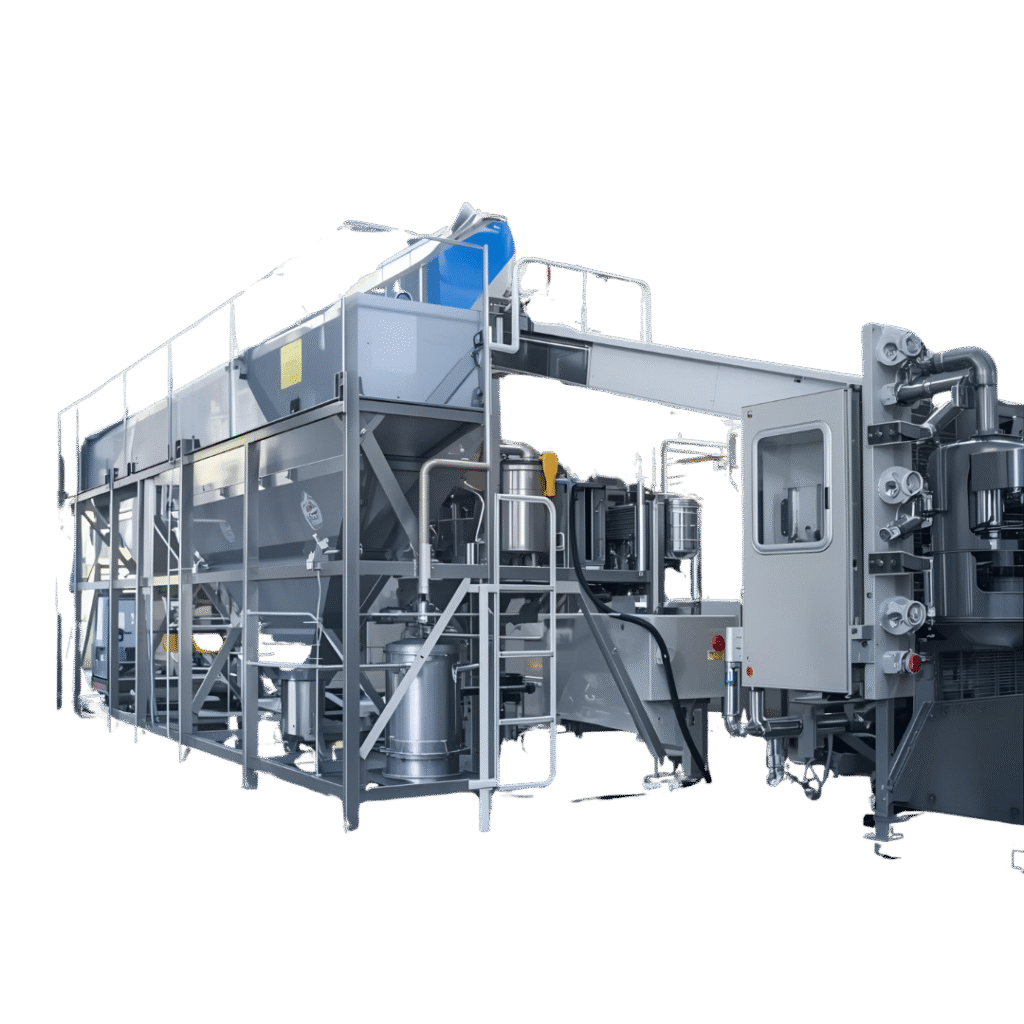
Grit Removal Systems
Grit removal systems are critical preliminary components in wastewater treatment designed to protect downstream mechanical equipment and prevent pipe clogging. These systems specifically target heavy inorganic solids—such as sand, gravel, silt, and eggshells—which do not break down biologically and can cause severe abrasive wear on pumps and centrifuges. By utilizing gravity, centrifugal force, or velocity control, these systems allow dense particles to settle out while organic matter remains in suspension for further treatment. Common designs include vortex chambers, aerated grit channels, and horizontal flow tanks. Efficient grit removal significantly reduces maintenance costs and ensures the longevity of the entire treatment facility.
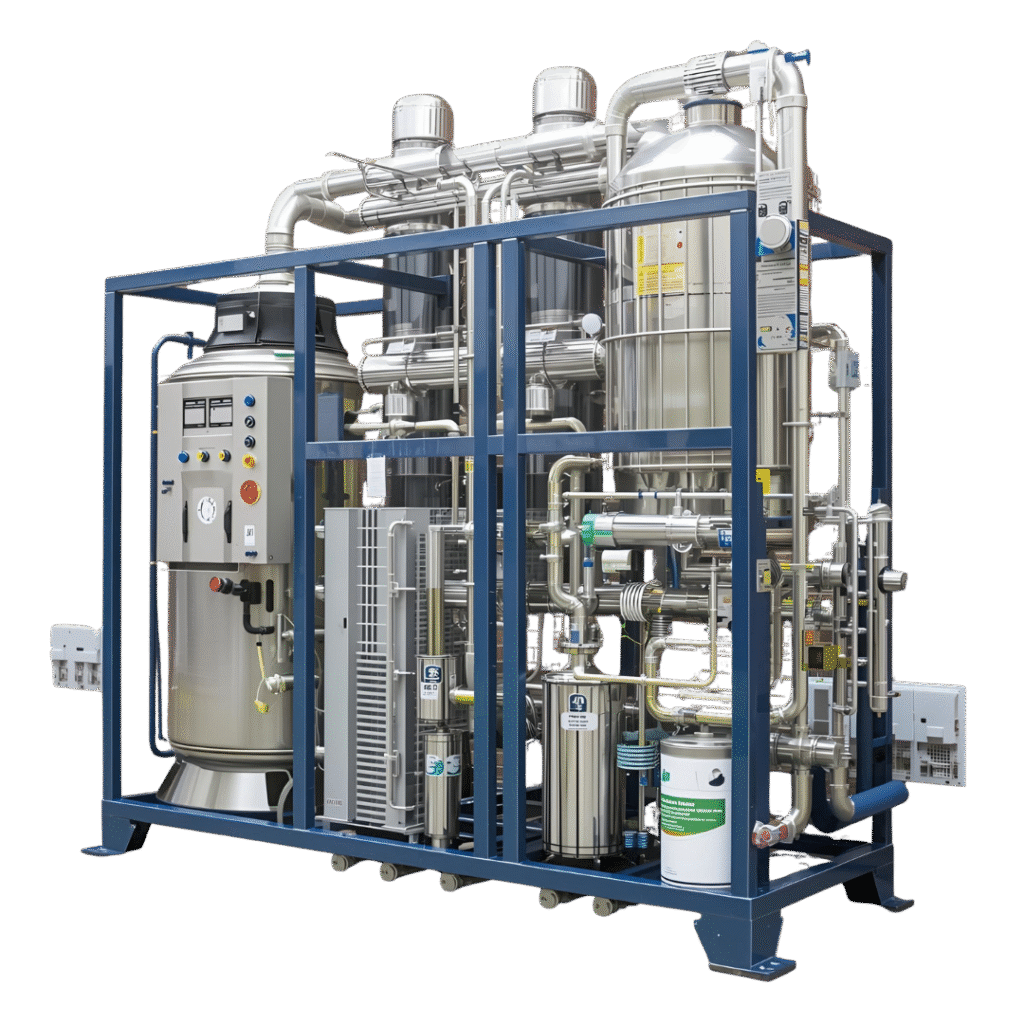
Deionizers / Demineralization Systems
Deionizers, or Demineralization systems, are engineered to produce high-purity water by removing dissolved mineral salts and ionized impurities. Unlike standard filtration, these systems use ion exchange resins to swap unwanted cations (like calcium and magnesium) and anions (like chlorides and sulfates) for hydrogen ($H^+$) and hydroxyl ($OH^-$) ions, which combine to form pure water ($H_2O$).This process is indispensable for industries where water quality is a critical variable, such as pharmaceutical manufacturing, semiconductor fabrication, and high-pressure boiler feeds. By eliminating conductive ions, demineralization prevents scale buildup, corrosion, and product contamination. Depending on the purity requirements, systems may utilize dual-bed configurations for high capacity or mixed-bed units for the highest possible water resistivity.
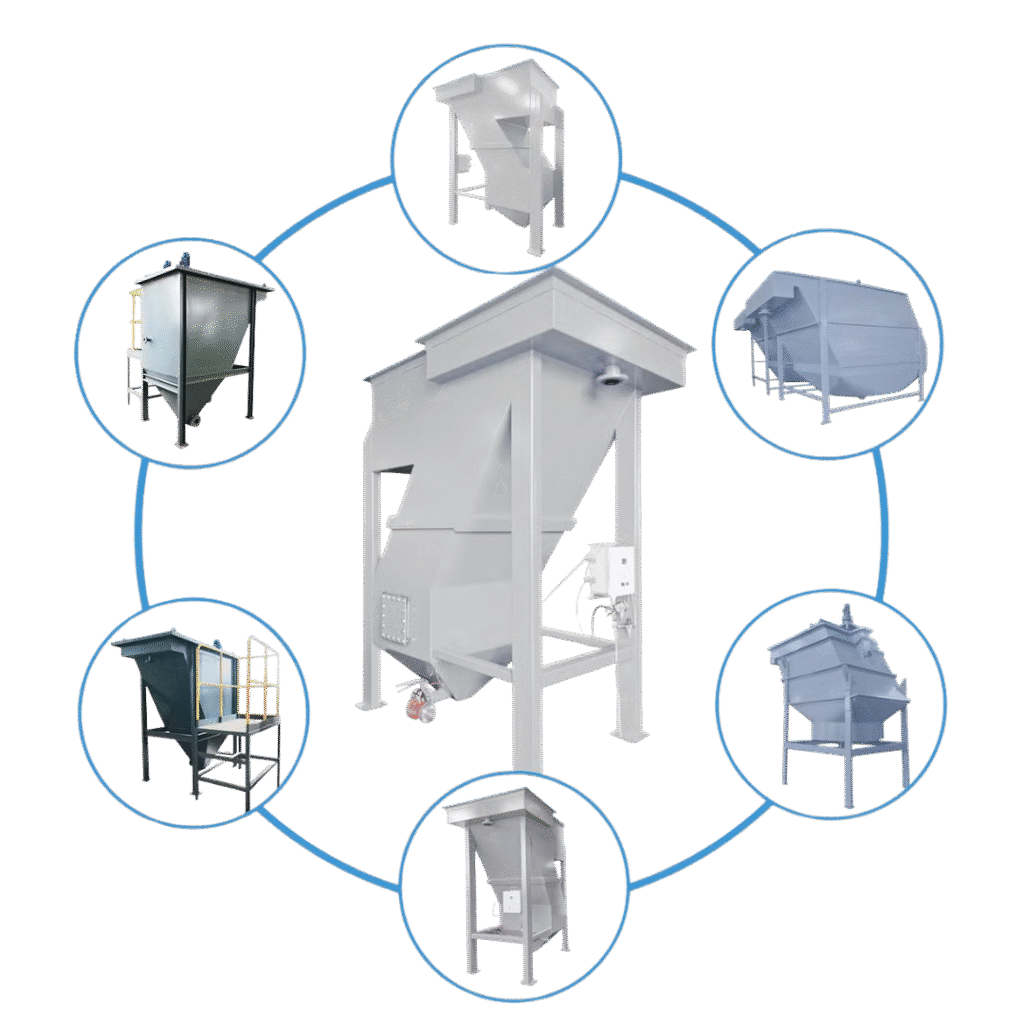
Clarifiers (Tube Settlers, Lamella Clarifiers)
Clarifiers are essential gravity-driven separation units used to remove suspended solids from water. By reducing the flow velocity, these tanks allow heavier particles to settle at the bottom as sludge, while the "clarified" liquid overflows at the top. This process is a cornerstone of both municipal drinking water treatment and industrial wastewater management. To optimize space and efficiency, modern systems often incorporate Tube Settlers or Lamella Clarifiers. These designs use a series of inclined plates or tubes to increase the effective settling area within a smaller physical footprint. As water flows upward through these inclined surfaces, solids have a shorter distance to fall before hitting a surface and sliding down to the collection hopper. This "shallow depth sedimentation" significantly improves the rate of particle removal compared to traditional open tanks.
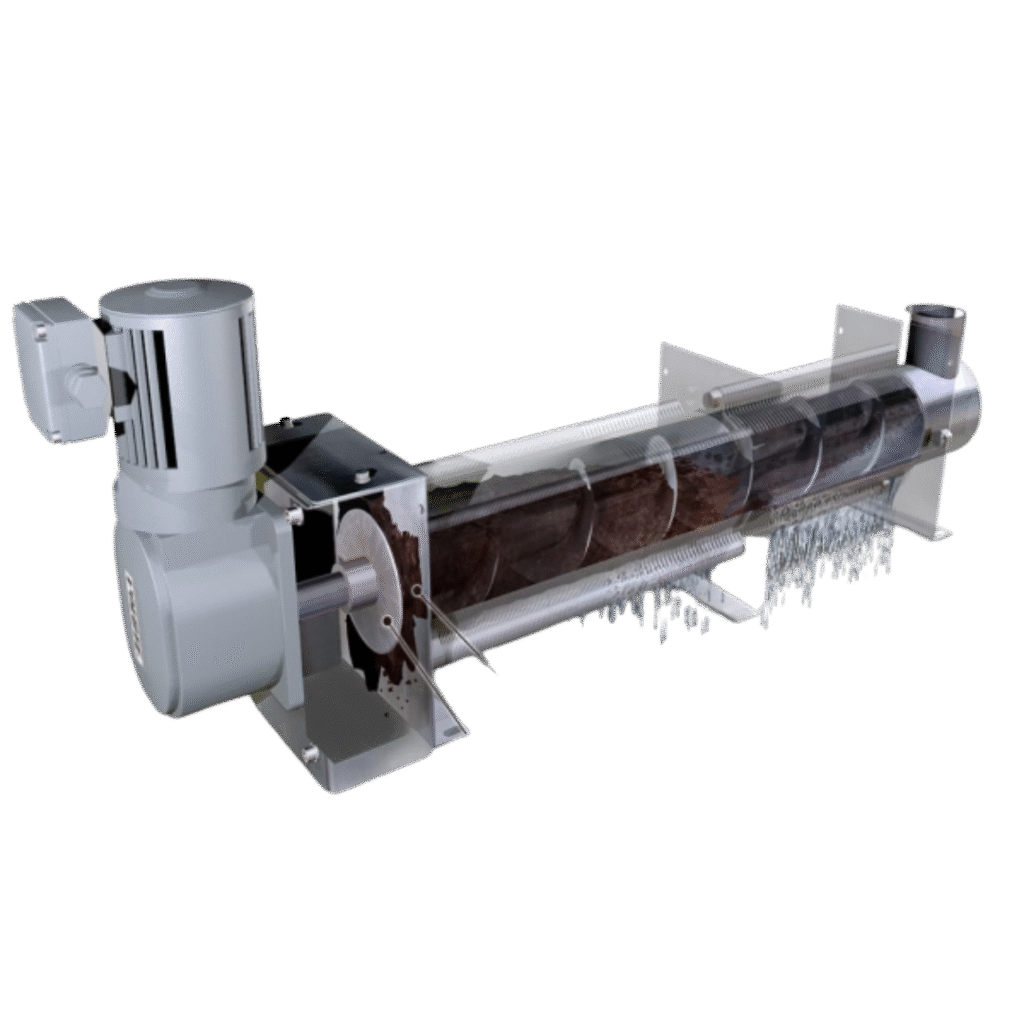
Sludge Drying Beds / Filter Presses / Centrifuges
Sludge dewatering is the final step in reducing waste volume by removing water from concentrated solids. This process significantly lowers disposal costs and stabilizes the sludge for transport or reuse. Sludge Drying Beds are the most traditional, low-energy method. Sludge is spread over sand and gravel layers, where water is removed through both gravity drainage and natural evaporation. While cost-effective, they require a large land area and are weather-dependent. For higher-volume or industrial applications, mechanical systems provide faster results: Filter Presses: Use high-pressure membrane or plate-and-frame systems to squeeze water out of sludge, resulting in a very dry "filter cake." Centrifuges: Utilize high-speed rotation to separate solids from liquids based on density, offering a continuous process with a very small physical footprint.
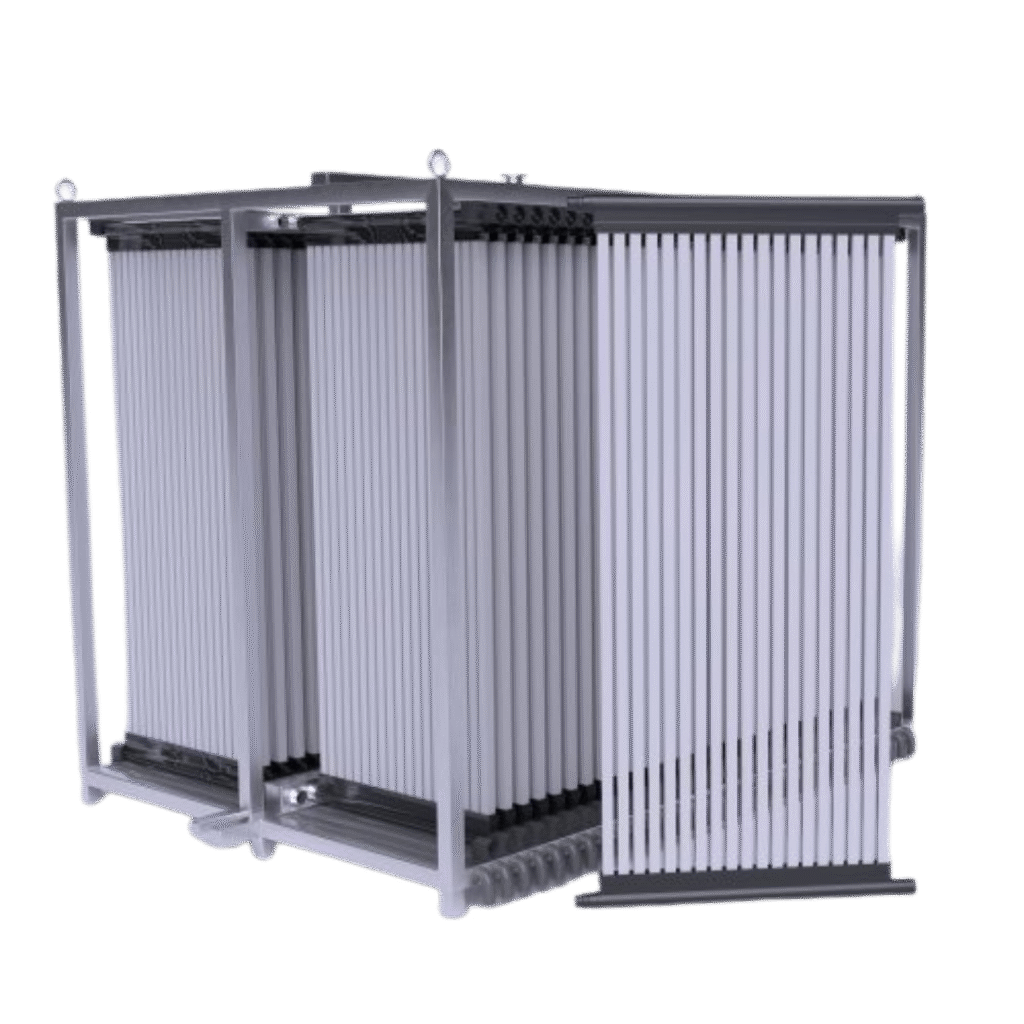
Membrane Bioreactors (MBR)
Membrane Bioreactors (MBR) represent a leap in wastewater technology by integrating biological degradation with high-efficiency membrane filtration. In a standard system, a bioreactor uses activated sludge to break down organic matter, but instead of relying on large secondary clarifiers for settling, MBRs use microfiltration or ultrafiltration membranes to physically separate liquids from solids.This integration allows for a much higher concentration of mixed liquor suspended solids (MLSS), which translates to a smaller tank footprint and superior effluent quality. The resulting water is typically free of bacteria and suspended solids, making it ideal for water reclamation, irrigation, or industrial reuse.
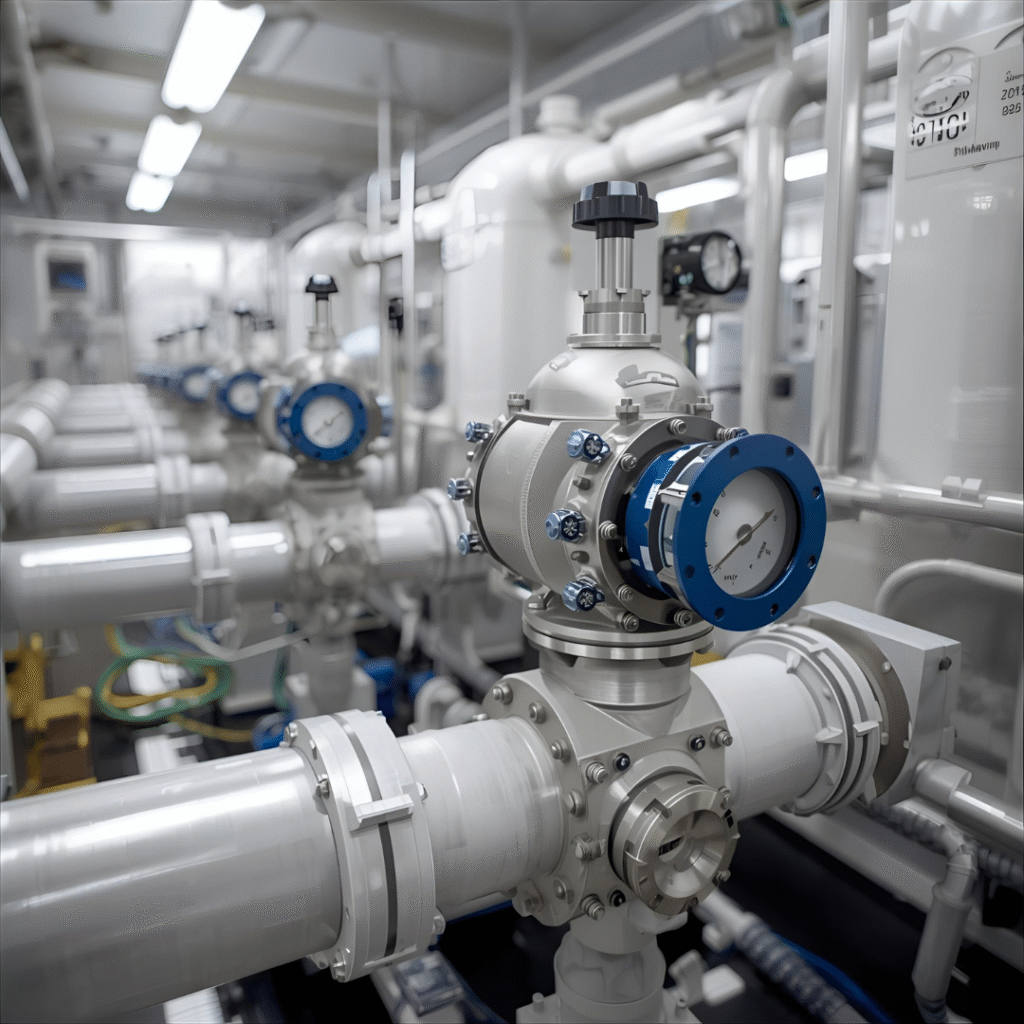
Sequencing Batch Reactors (SBR)
Sequencing Batch Reactors (SBR) are a highly versatile type of activated sludge treatment where all processes—aeration, settlement, and clarification—occur within a single reactor tank. Unlike continuous flow systems that require separate tanks for each stage, the SBR operates in a timed, repetitive sequence of "batches," making it an ideal solution for areas with limited space or fluctuating wastewater flows.The typical SBR cycle consists of five distinct phases:Fill: Raw wastewater enters the tank, mixing with the concentrated active biomass.React: Mechanical mixing and aeration occur to promote biological breakdown of organic matter.Settle: Aeration stops, allowing solids to settle to the bottom by gravity (acting as a built-in clarifier).Draw: The "clarified" treated water is decanted from the top of the tank.Idle: The system prepares for the next cycle, and excess sludge is wasted if necessary.
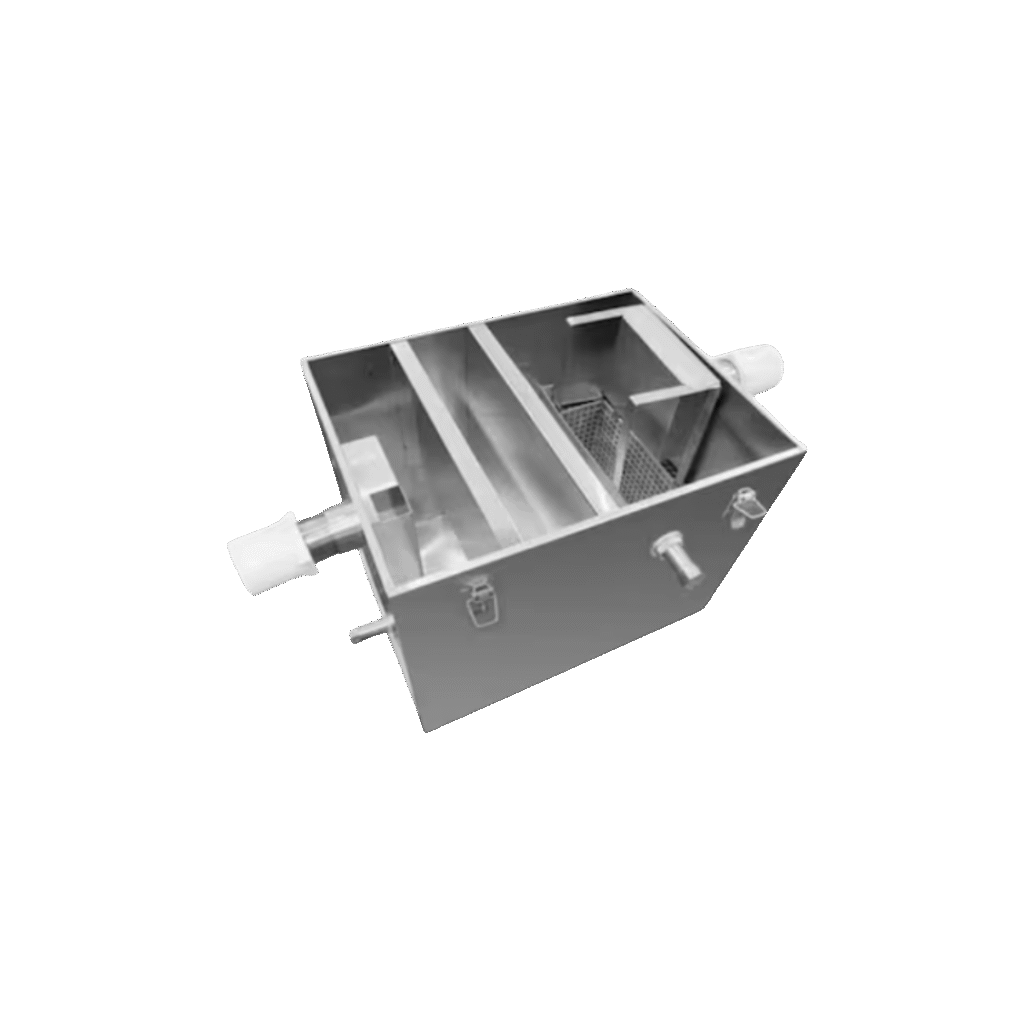
Oil & Grease Traps
Oil and grease traps (also known as interceptors) are essential plumbing and treatment components designed to prevent Fats, Oils, and Grease (FOG) from entering the main wastewater network. Because these substances are lighter than water and do not mix with it, they float to the surface, where they can solidify, cause massive blockages ("fatbergs"), and interfere with biological treatment processes downstream. These systems work on the principle of differential density. As wastewater enters the trap, the flow is slowed down by internal baffles. This calm environment allows the lighter oils and grease to rise and remain trapped at the top, while heavier solids settle at the bottom. The "clarified" water then flows out from the middle of the unit into the sewer system.
Moving Bed Biofilm Reactors (MBBR)
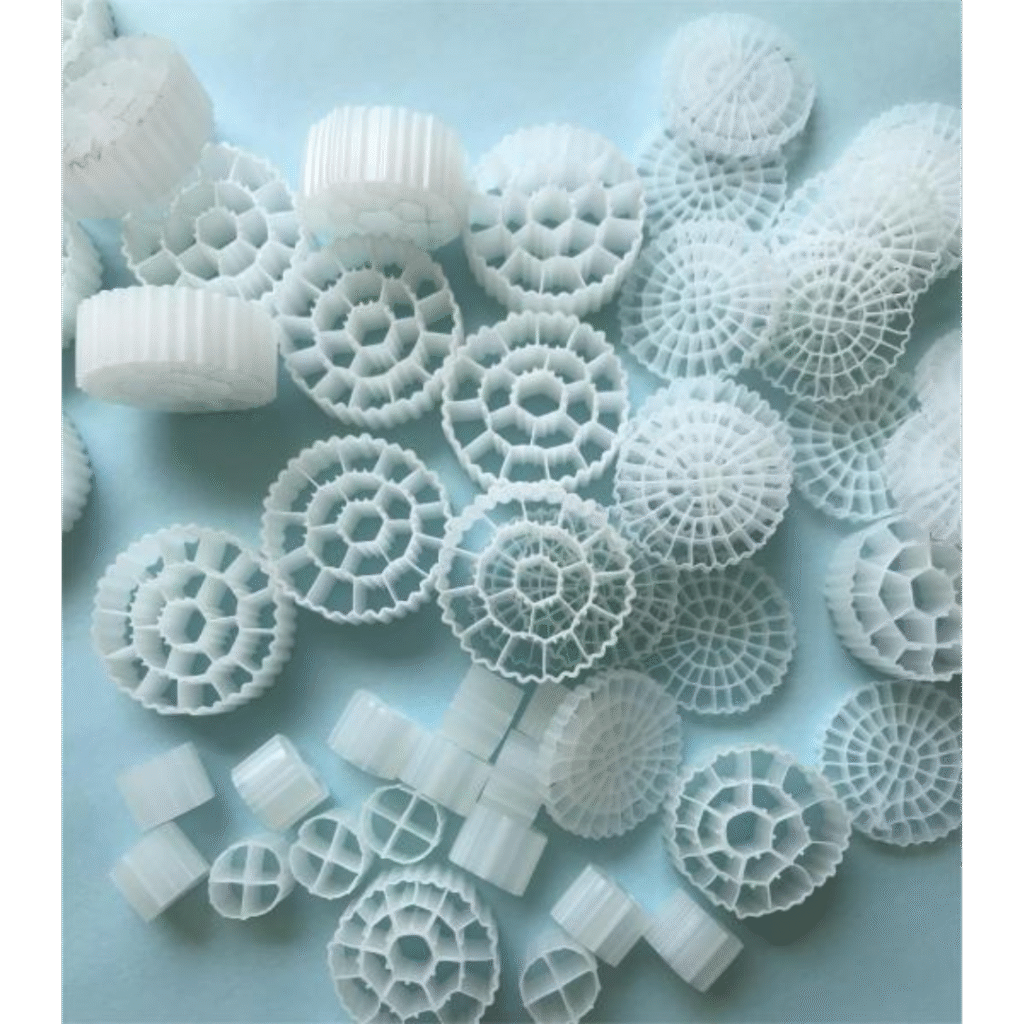
Moving Bed Biofilm Reactors (MBBR) represent a high-efficiency biological treatment process that combines the benefits of activated sludge and fixed-film systems. The core of an MBBR system consists of thousands of floating plastic carriers (media) suspended in a constant state of motion within an aeration tank.Unlike traditional systems where bacteria float freely, MBBR technology utilizes these carriers to provide a massive protected surface area for biofilm growth. This dense colony of microorganisms remains attached to the media, making the system highly resilient to "washout" and toxic shocks. The media is kept in motion by air injection (in aerobic tanks) or mechanical mixers (in anoxic tanks), ensuring optimal contact between the pollutants and the hungry biofilm.
Equalization Tanks
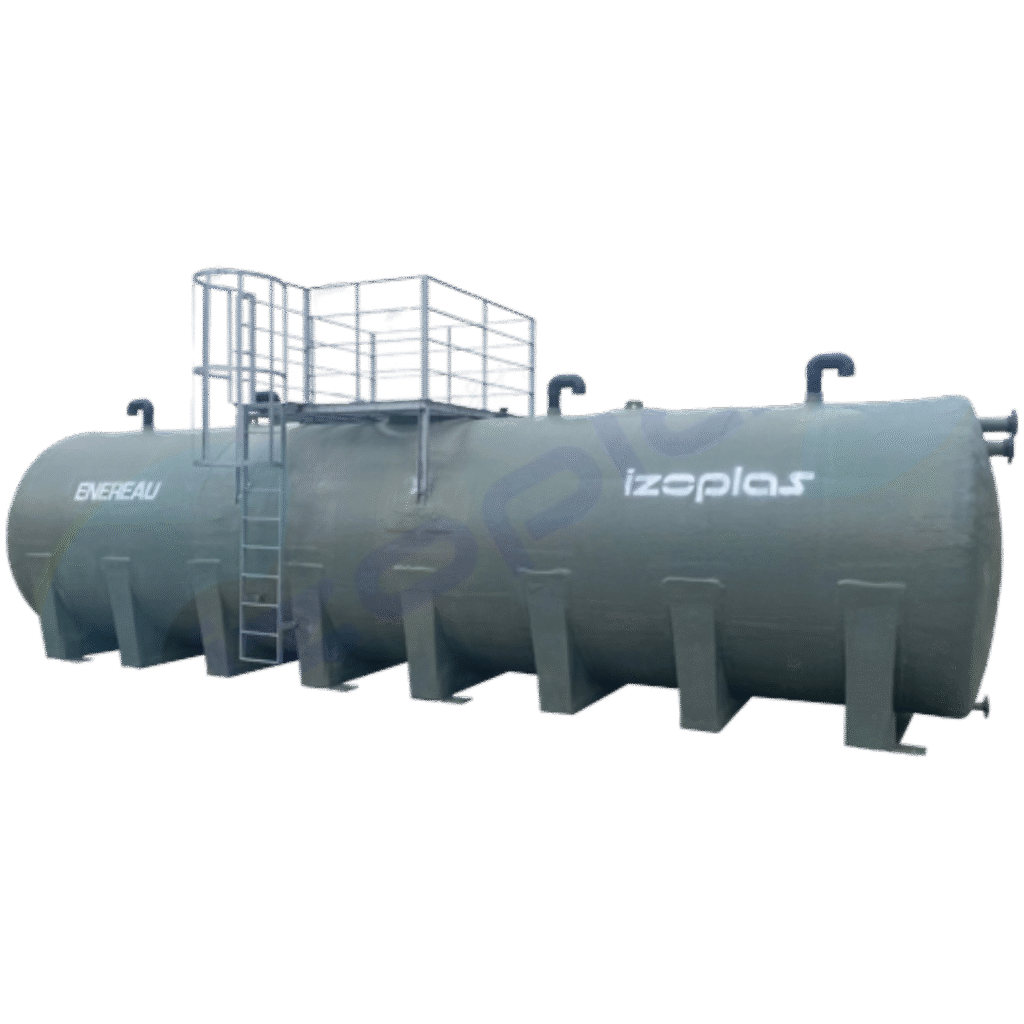
Equalization (EQ) tanks are essential buffering units designed to stabilize the flow and characteristics of wastewater before it enters downstream biological or chemical treatment processes. In many industrial and municipal settings, wastewater generation is inconsistent—spiking during production shifts or rain events. Without an EQ tank, these "slug loads" could overwhelm the system, causing process failure or equipment damage.By holding influent in a large basin and releasing it at a constant, controlled rate, equalization ensures a steady organic loading ($BOD/COD$) and $pH$ level. This consistency protects the delicate microbial colonies in bioreactors and optimizes the dosing of treatment chemicals.
Aeration Systems (Diffusers, Blowers)
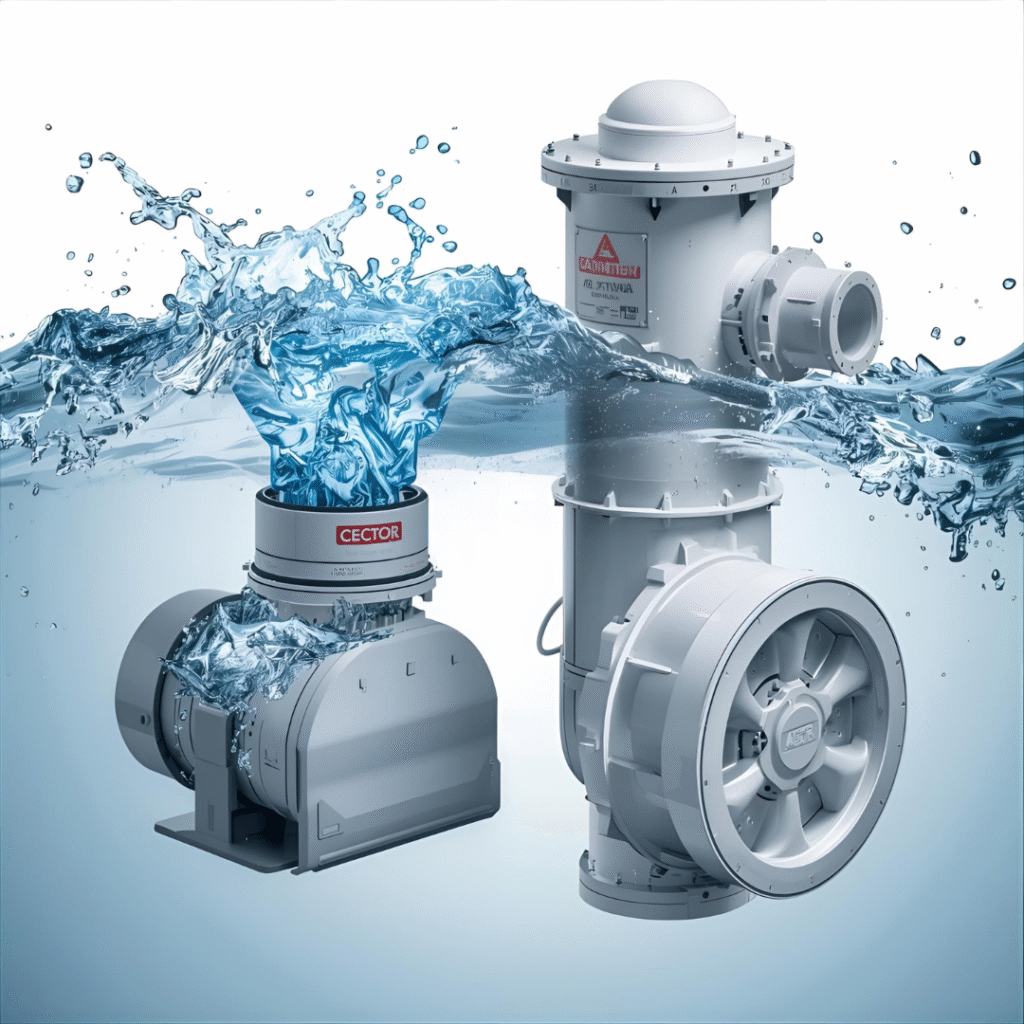
Aeration systems are the "lungs" of a wastewater treatment plant, responsible for providing the necessary oxygen to aerobic microorganisms that break down organic pollutants. These systems typically consist of two primary components: blowers, which generate a high volume of air, and diffusers, which distribute that air into the water. The efficiency of the biological process depends on the oxygen transfer rate. Modern systems focus on Fine Bubble Diffusion, which creates thousands of tiny bubbles to maximize the surface area for oxygen to dissolve into the liquid. In contrast, Coarse Bubble Diffusion is often used for mixing and in applications where clogging might be a concern, such as in equalization tanks or grit chambers.
This is the heading
Lorem ipsum dolor sit amet, consectetur adipiscing elit. Ut elit tellus, luctus nec ullamcorper mattis, pulvinar dapibus leo.